


The Secret of Numbers: How to read your motorcycle tire (and avoid failing the inspection)
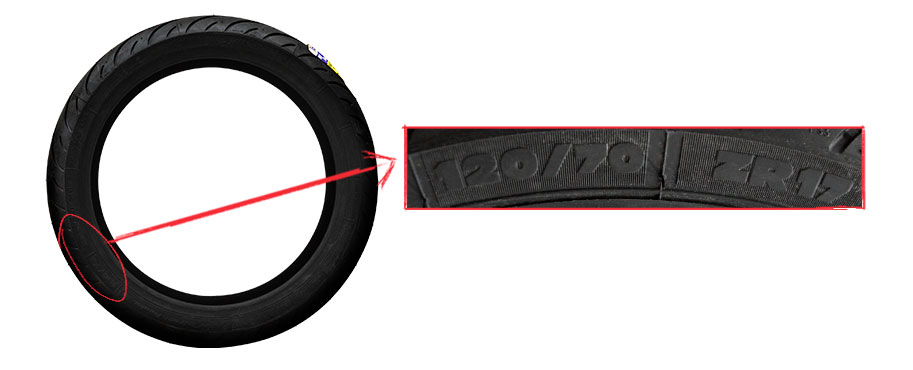
You look at the sidewall of your motorcycle tire and see something like 180/55 ZR17 M/C (73W) .
For most riders, this seems like a complicated mathematical equation. But knowing how to read these codes isn't just for showing off in casual conversations. Buying the wrong size can cause the motorcycle to corner poorly, consume more fuel, or worse, fail a traffic stop or vehicle inspection (IPO) because it doesn't match the registration document.
Let's decode the "DNA" of your rubber, step by step, using this common example: 180/55 ZR17 73W .
1. Width (180)
The first number is the simplest. It indicates the tire width in millimeters , measured from shoulder to shoulder.
-
180 = 180mm wide.
-
Note: Trying to put on a wider tire than the original to make the motorcycle look "nicer" is a common mistake. Often the tire becomes deformed on the rim or rubs against the chain, ruining the handling.
2. Profile or Height (55)
This is what confuses everyone. The second number is not a measurement in millimeters . It's a percentage.
-
55 = The height of the tire's sidewall is 55% of its width.
-
In practice: A lower profile (e.g., 50 or 45) means a stiffer wall, typical of sport bikes (better in curves, less comfortable). A higher profile (e.g., 70 or 80) is typical of Adventure or Custom bikes, absorbing bumps better.
3. The Construction (ZR or R)
This letter indicates how the tire was constructed internally.
-
R (Radial): The standard on modern motorcycles. The inner brake linings are arranged radially (90 degrees). They offer better stability at high speeds.
-
B (Bias-ply): Diagonal construction. Common in heavy Custom or Classic motorcycles.
-
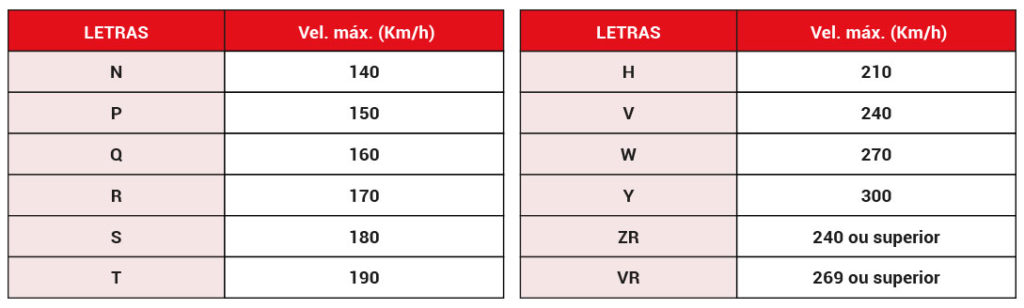
ZR: Indicates that it is a radial tire designed for speeds above 240 km/h.
4. Wheel Diameter (17)
Simply put: it's the rim size where the tire fits, measured in inches .
-
17 = 17-inch rim. Trying to mount a 17-inch tire on an 18 or 19-inch rim is physically impossible.
5. Load and Speed Ratings (73W)
These final two codes are vital for security.
-
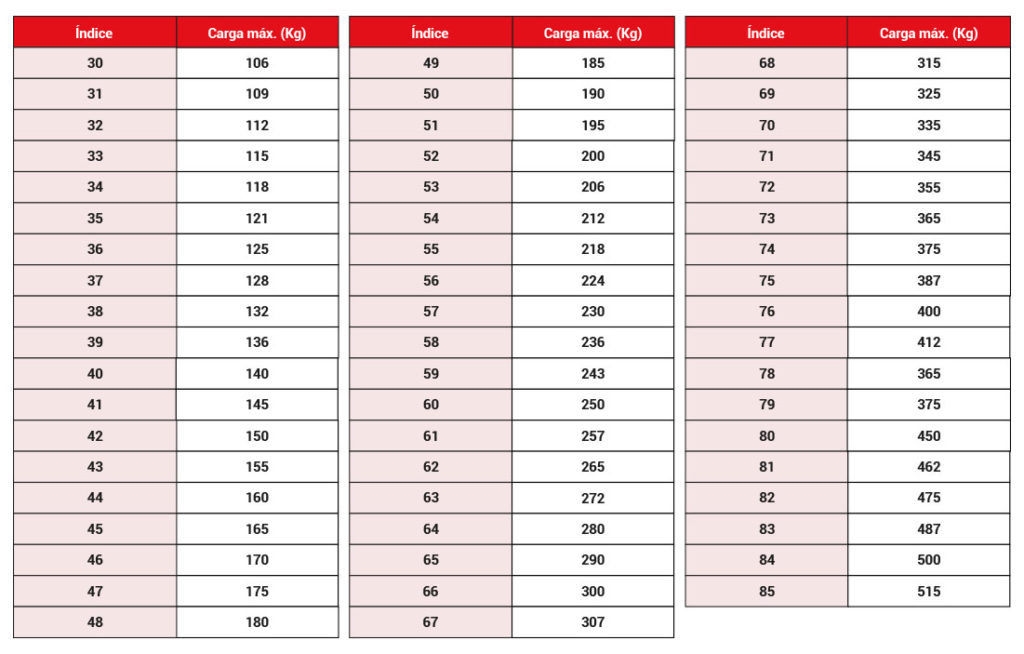
73 (Load Index): This does not mean 73 kg! It's a code that corresponds to a table. In this case, 73 means the tire can withstand up to 365 kg .
-
W (Speed Index): This is the maximum speed the tire can safely withstand.
-
H = up to 210 km/h
-
V = up to 240 km/h
-
W = up to 270 km/h
-
(Y) = above 300 km/h
-
Attention: You can always enter a speed rating higher than what's in the vehicle registration document, but never lower .
Bonus: The "Secret" Validity Code (DOT)
Look for an oval on the sidewall with 4 digits (e.g., 2523 ). This is the tire's birthdate.
-
25 = 25th Week
-
23 = Year 2023. If the tire is more than 5 or 6 years old, even if it has treads, the rubber has already lost its properties (it's "glazed") and is dangerous in the rain.
Pro tip: Do you already know how to read "Estrada" (Road)?
Now that you know how to read what's written on the rubber that connects you to the ground, all that's left is to learn how to read what's in front of you on the road.
It's no use having tires with a speed rating of "W" (270 km/h) if you have to drive slowly because you don't know where the exit is or because you're trying to decipher a map on a tiny cell phone.
Just as the tire code tells you the limits of your motorcycle, Motoplay expands the limits of your navigation. With a dedicated high-visibility screen, you get an immediate reading of the route, traffic, and hazards, allowing you to use your tires (and your motorcycle) with complete confidence and fluidity.
Don't leave your security in the hands of small screens and fine print.